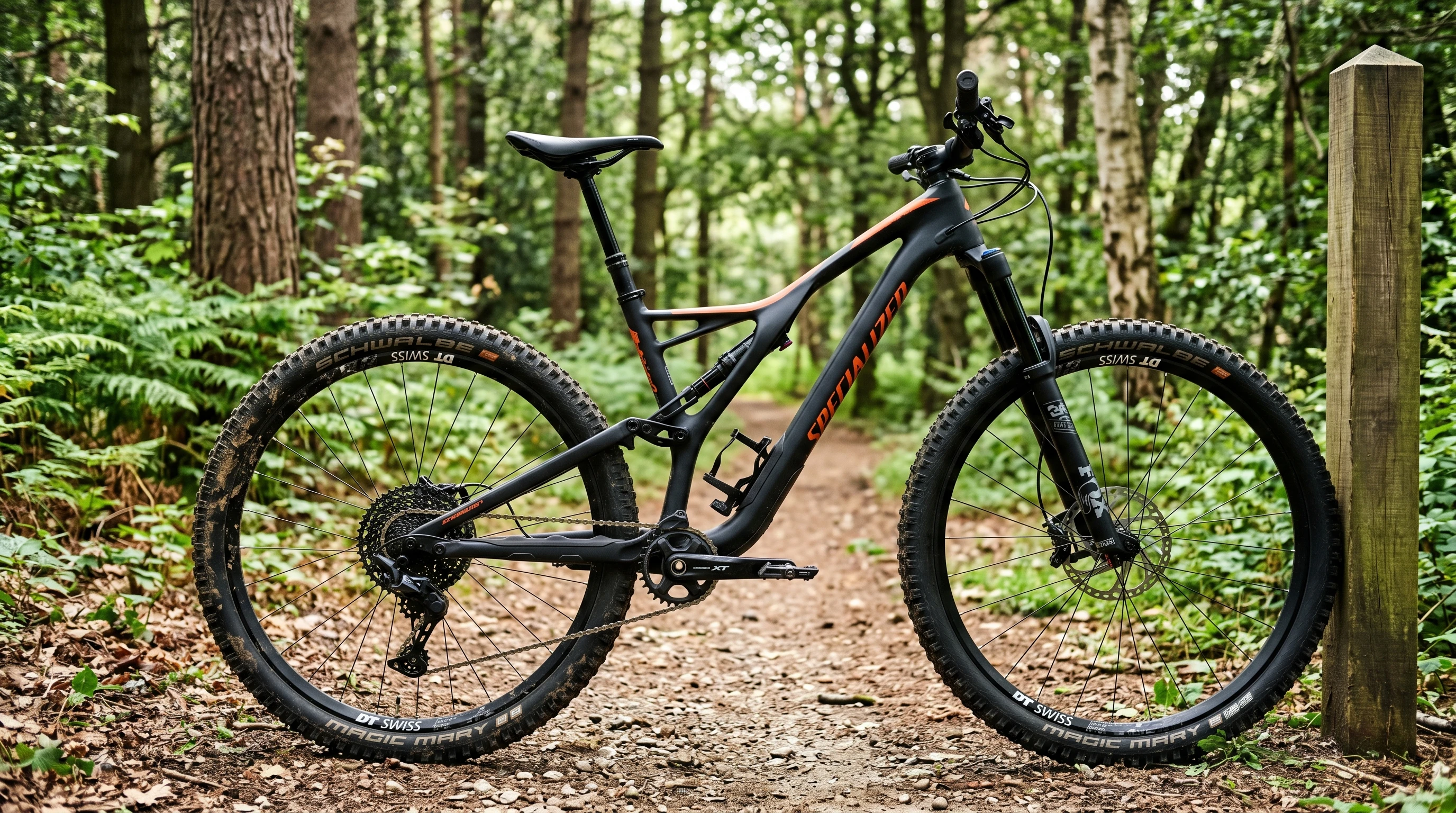
Maintaining a mountain bike is something I try to keep on top of because it makes every ride smoother and safer. Regular care helps avoid sudden breakdowns, keeps parts running longer, and improves the overall biking experience. A solid maintenance routine also means I can enjoy my time on the trail without worrying about preventable mechanical issues. In this guide, I’m sharing how to keep your mountain bike in great shape, even if you’re just getting started with maintenance basics.
Why Consistent Maintenance Matters for Mountain Bikes
Riding mountain trails pushes my bike harder than everyday commuting does. Dirt, mud, water, and rocky terrain all contribute to faster wear and tear. Skipping even simple cleaning can lead to rusted components, shifting problems, or loss of braking power. Every couple of rides, I check over my bike to spot small issues before they turn into big, expensive problems. This approach helps keep my rides fun while avoiding surprises like snapped chains or flat tires deep in the woods.
Mountain biking’s popularity has grown a lot in the last decade. The global mountain bike market keeps growing, with more riders hitting local trails than ever. With regular upkeep, my bike feels like new for a lot longer, and I end up saving money by avoiding unnecessary part replacements. Real-world experience shows that a well-maintained mountain bike stays reliable, which is super important when rides take me far from home or through rough conditions.
Getting Set Up: Basic Maintenance Tools and Supplies
Having the right tools makes a huge difference in keeping my bike running smoothly. For basic maintenance, these are the items I rely on:
- Bike Specific MultiTool: Includes Allen wrenches, Torx keys, and screwdrivers that fit most bolts on the bike.
- Quality Floor Pump: Lets me check and adjust tire pressure quickly before every ride.
- Chain Lubricant: Reduces wear and keeps my drivetrain running quietly, especially in dusty or wet conditions.
- Brushes and Rags: Help me clean off grit, sand, and mud from hard to reach areas.
- Tire Levers and Patch Kit: Essential for fixing flats right on the trail.
- Cable Cutters and Spare Cables: Useful if I need to replace worn brake or shifter cables.
- Bike Stand (Optional): Makes repairs and cleaning a lot easier, though I can get by without one.
Investing in these basics made early maintenance feel much less intimidating. Even after years of riding, I still reach for these tools at the start of every tune up session.
Step by Step Routine: Core Maintenance Every Mountain Biker Should Know
I like to break my maintenance into simple steps, focusing on what matters most for safety and smooth rides. Here’s the sequence I follow most often after a typical trail session:
- Cleaning the Bike Frame: I spray off loose dirt with water and wipe down the frame with a rag. Avoiding direct water pressure on bearings helps prevent damage.
- Chain Care: Using a degreaser, I clean the chain, cogs, and chainrings. After drying, I apply fresh lube and wipe off the excess to avoid attracting more dirt.
- Check Brakes: I inspect both front and rear brakes for pad wear and alignment. Squeaky or unreliable brakes often mean I need to replace pads or clean rotors.
- Inspect Tires: Looking for cuts, punctures, and worn tread keeps me from getting stranded with a flat. I also check for proper inflation, which affects traction and comfort.
- Drivetrain Inspection: Shifting should be crisp and precise. I visually check the derailleur, cables, and housing for damage or corrosion.
- Suspension Check: I wipe down suspension forks and rear shock sliders, checking for oil leaks or dirt build up. If I notice performance issues, I research service intervals or book a pro tune up.
- Fastener Tightening: Bolts and quick releases loosen over time. Using my multitool, I double check that the stem, handlebars, seatpost, and wheels are all secure.
Following this order saves time and catches most issues before my next ride. It becomes second nature when done regularly.
Extra Attention: Dealing with Common Problems and Trail Wear
Mountain bikes face unique challenges. Experience and feedback from seasoned riders taught me to look out for:
- Loose Headset or Wobbly Wheels: If my steering feels odd or wheels aren’t spinning true, I inspect spoke tension and headset bearings. Sometimes a quick adjustment with a spoke wrench or tightening the headset solves the issue.
- Brake Fade or Poor Power: Mud and grit clog brake pads, leading to squealing or reduced stopping. Cleaning or swapping out old pads brings back solid braking performance.
- Sticky Drivetrain: After muddy rides, I notice sluggish shifting or skipping gears. Deep cleaning and relubing usually fix shifting issues fast.
- Suspension Issues: Sudden changes in how the front or rear suspension feels can mean it’s time for a professional service or seal replacement.
Frame and Component Cracks
I look over my bike’s frame, handlebars, and seatpost for any cracks or dents after big drops or crashes. Even small cracks can get worse quickly, so staying alert prevents more expensive repairs in the future. Thorough checks mean I catch problems before they mess up my rides.
Chain and Cassette Wear
A stretched chain or worn cassette causes shifting to slip and makes pedaling feel inconsistent. Using a chain checker tool helps me identify early chain wear. Replacing the chain at the right moment prevents the cassette and chainrings from wearing out too soon, which saves money in the long run. I also keep an eye on my chainrings. If the teeth look hooked or uneven, I know it’s about time for a swap to keep things running smooth.
Upkeep for Gears, Brakes, and Suspension
Three main areas need regular attention:
- Gears: Proper gear adjustment keeps shifting smooth. If I spot slow or jumpy gear changes, I clean the derailleur and check cable tension. I adjust barrel adjusters to fine tune shifting on the fly.
- Brakes: Disc brakes need their rotors and pads kept clean. I use isopropyl alcohol to remove oil and grime. Hydraulic brakes sometimes get air bubbles, which need to be bled out for reliable stopping. I also check for rotor warping if I get squeaks or weird noises during braking.
- Suspension: Most forks and shocks have regular service schedules in the owner’s manual. For most riders, cleaning and inspecting for dirt or oil around suspension seals goes a long way. A suspension that’s muddy or leaking oil usually needs professional care. And if I ride rough terrain often, I track down info online specific to my suspension model for best results.
Reliable stopping power and smooth shifting can make any trail ride more comfortable and safe. It’s also super important when I’m trying new routes or tackling unknown terrain. Keeping my gears and suspension dialed in means I’m ready for rough conditions any day of the week.
Tips for Extending the Life of Your Mountain Bike
I picked up a few habits over the years that help make my bike last longer. Simple things like washing mud off regularly and storing the bike indoors go a long way. I keep my tires at the recommended pressure and lube the chain after every wet or muddy ride. Swapping out worn parts, like grips and brake pads, helps keep the ride feeling fresh and responsive. Documenting when I’ve last serviced key components, like suspension or drivetrain, helps keep me on track for future maintenance. Small checks, like making sure quick releases are tight or brake levers feel normal, only take a minute but add up over time. I also save receipts and write down major repairs so I can spot patterns or see when my bike needs extra attention.
If you ride in especially wet, dusty, or muddy places, cleaning and lube routines matter even more. Salt from winter riding or coastal air can cause corrosion, so a gentle rinse and dry after each ride is a habit worth building. Covering your bike if it’s stored outdoors steps up protection too.
Frequently Asked Questions
These are questions I hear a lot from friends starting out or riders new to mountain bike maintenance:
Question: How often should I clean and lube my chain?
Answer: I clean and lube my chain every few rides, especially after riding in rain, mud, or dusty conditions. A clean chain runs smoothly and lasts longer.
Question: When do I need to replace brake pads?
Answer: I check brake pads if I notice weaker stopping power or if the pads look thin. Most pads have a wear line to help know when it’s time to replace them. If braking noise sticks around after cleaning, fresh pads usually do the trick.
Question: What can I do if my suspension feels bouncy or harsh?
Answer: If a suspension fork or shock isn’t performing well, I start with cleaning the sliders and checking for oil leaks. For more serious problems, I follow service intervals in the manual or get a pro to inspect it. Sometimes, adjusting air pressure or rebound settings can help get things feeling right again.
Final Thoughts on Mountain Bike Maintenance
Taking care of my mountain bike adds a lot to every ride. Regular cleaning, careful inspection, and following simple service routines keep my rides smooth and stress free. If you’re new to bike repairs, start with basic cleaning and learn more over time. With the right approach, your mountain bike will keep up with whatever challenges the trails bring. Taking a little time for checks and care always pays off with more fun and fewer breakdowns on your biking adventures.