Cleaning my mountain bike is one of those tasks that really pays off in the long run. A clean bike runs smoother, lasts longer, and makes every ride feel fresh—even if I just finished a muddy adventure. With regular care, it’s much easier to spot developing issues too, which helps me keep my bike safe and reliable. I’ll break down my approach to cleaning a mountain bike, covering the why, the how, and some practical tips I’ve picked up from countless trails and washes. Plus, I’ll add some pro tricks to keep your bike not just clean, but in next-level cool condition.
Why Keeping Your Mountain Bike Clean Matters
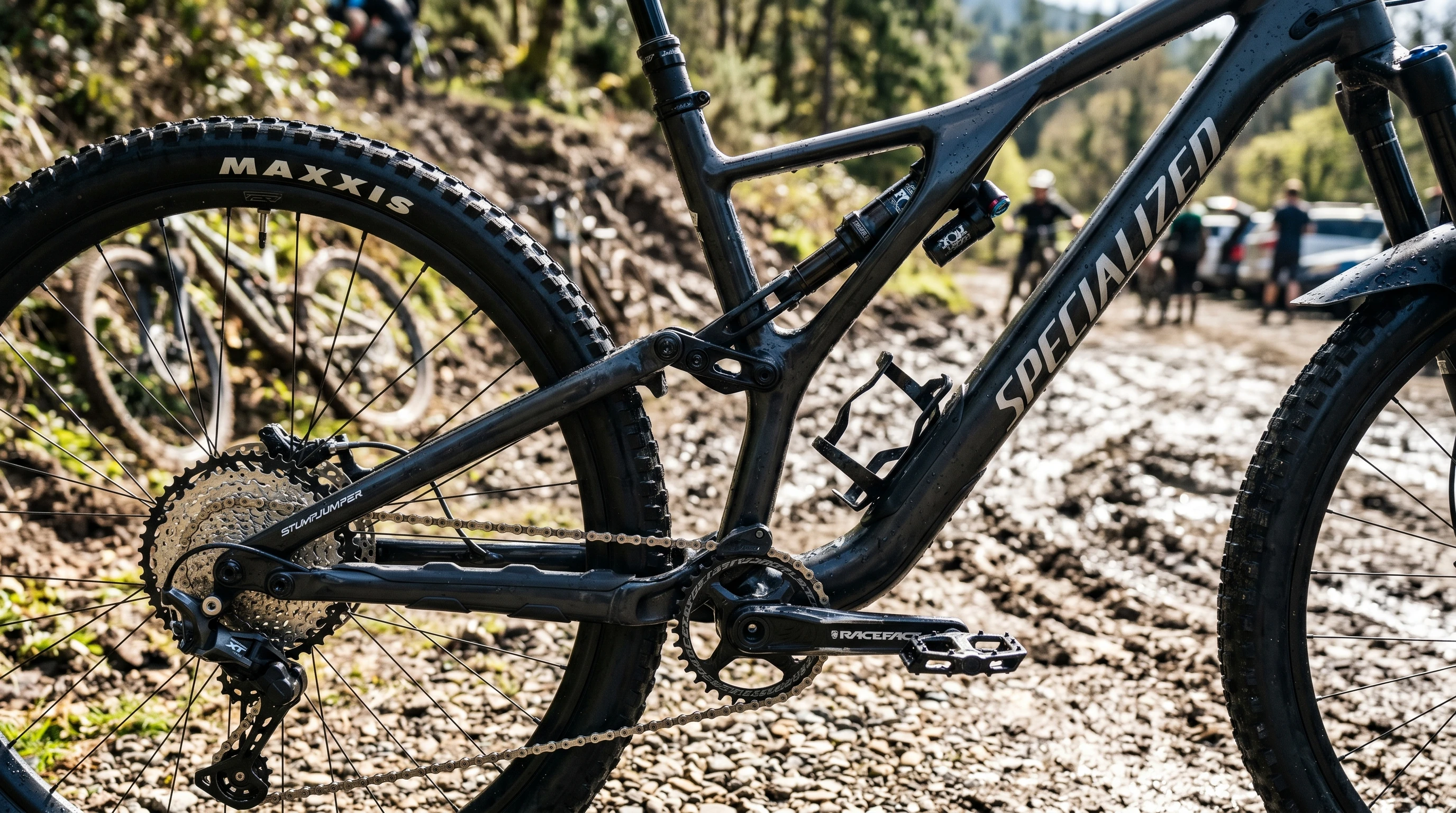
Mud, grit, and trail debris might just seem like badges of fun, but letting them pile up can grind down moving parts fast. Even short rides through wet or dusty trails leave a thin, gritty mess that collects around my drivetrain, brakes, and suspension. Tackling dirt right away helps keep things running smooth and avoids unnecessary damage or wear.
A clean bike is easier to inspect. That means catching loose bolts, worn brake pads, or a cracked frame before they turn into bigger headaches. Plus, a tidy bike just looks more eye-catching, and I get more satisfaction rolling out on a sparkling ride rather than one still wearing last week’s mud. With a clean bike, those small but important issues are much easier to spot, helping me stay one step ahead of any potential problems.
Basic Supplies for Cleaning Your Mountain Bike
Getting set up is easy, and you don’t have to break the bank on fancy gear. Over the years, I’ve honed my cleaning toolkit down to just the essentials, so everything stays straightforward and effective:
- Bucket of warm soapy water: A bit of dish soap does the trick, but you can try a bike-specific cleaner if you want that pro feel.
- Soft brushes and sponges: A few brushes, an old toothbrush for tight areas, and a soft sponge go a long way.
- Chain cleaner or brush: A compact chain cleaning gadget is handy, but a sturdy brush and some muscle also make things shine.
- Microfiber towels: These help protect your frame’s finish when drying or wiping down the bike.
- Bike stand (optional): Using a stand lets you get at every part, but balancing the bike gently on a wall works in a pinch.
- Chain lubricant: Re-lubing after every wash makes sure each ride is smooth and silent.
If you want to step up your cleaning routine, optional extras like a gentle degreaser or detailing brush set can give your bike’s finish a real boost.
Step-by-Step: How I Clean My Mountain Bike
When it’s time to clean, I always rinse my bike first to knock off the worst of the mud and grit. Here’s my tried-and-true method for turning a filthy rig into something ready to jump back on the trail:
- Rinse off the frame: A low-pressure hose or bucket is all you need to loosen stubborn dirt. Avoid any direct, high-pressure water streams near bearings.
- Degrease the drivetrain: Hit the chain, cassette, and chainrings with degreaser. Spin the pedals and scrub carefully with a brush or chain tool. Rinse away the leftover cleaner thoroughly.
- Clean the frame and wheels: Start from the top using soapy water and a sponge, making your way down so the dirt always trickles onto still-dirty spots. Areas like the fork, rear triangle, and under the bottom bracket often need a bit of extra effort.
- Detail tight areas: Grab a toothbrush for crevices around hubs, derailleurs, and brakes. It’s surprising how much grime can hide there.
- Final rinse: Give everything a light wash to remove the last bits of soap and grit.
- Dry the bike: Use a microfiber towel, or let the sun do its thing. Keeping the bike dry helps stop rust and keeps it looking brand new.
- Re-lube the chain: Dry the chain thoroughly, then apply a drop of lube to each link. Wipe away any extra to prevent gunk buildup. A well-lubed chain lasts and performs better.
Getting into a regular rhythm with these steps means the process gets faster and easier with each clean—plus, you’ll keep your bike running reliably every time you hit the trail.
Common Cleaning Challenges and How I Handle Them
Not every wash is straightforward; here are some bumps I’ve hit and my solutions:
- Sticky mud: Heavy clay or wet mud dries like cement. I let it harden then brush it off first before rinsing. For really tough grime, soaking the spot for a few minutes helps loosen it up.
- Greasy drivetrain: After brutal, muddy rides, the chain and cogs are sometimes caked with grime. A good soak with degreaser, followed by some extra brushing, always works wonders for me.
- Spotted brakes: Clean brake discs are crucial, so I use mild soapy water or isopropyl alcohol on the rotors. I take care not to get oil or dirt on them, which keeps everything quiet and safe.
- Protecting suspension: I never point hoses towards forks or rear shocks. Instead, I gently wipe down stanchions and check seals, making sure no dirt sneaks inside.
For all of these hurdles, patience and the right tools are key. Over time, it becomes simple to spot these problem areas and keep everything rolling smooth.
Tips to Avoid Damaging Your Bike During Cleaning
I’ve learned from making early mistakes, and here’s what I keep in mind to protect my ride:
- No high-pressure hoses near bearings, suspension, or headsets—keeps water where it belongs.
- After rinsing, I double-check for hidden dirt in cable housings or hard-to-see spots. If I hear anything grinding on my next ride, I know where to look.
- Degreasers and soapy water stay clear of brake pads and rotors; contamination causes squeaking and poor stopping power.
What to Check After a Good Cleaning
A shiny bike is the perfect invitation for a quick inspection. Post-wash, here’s what I always look over:
- Bolts and quick releases: Ensuring everything is tight so nothing rattles or comes loose during a ride.
- Brake pads and discs: I make sure there’s no excess wear or oil, which helps me ride safely.
- Tire condition: With the mud off, it’s easier to pick up on cuts, worn treads, or sidewall problems.
- Suspension function: Clean stanchions and seals run better, and a glance for leaks tells me if there’s a seal issue brewing.
Taking just a few minutes after cleaning helps keep the bike reliable and can prevent annoying issues later.
How Often Should I Clean My Mountain Bike?
How frequently I wash my bike really comes down to conditions and riding style. Wet, muddy rides mean a thorough clean almost every time. In powdery, dusty areas, weekly care typically handles it, with focus on the chain and key contact points. If I’m consistent, each cleaning session becomes quicker, and dirt never gets out of hand. It also keeps my ride both looking next-level cool and performing as it should.
Bike cleaning is not only about appearance. It helps extend your bike’s life, cuts down repair bills, and reduces breakdowns on the trail. Those regular moments of care are almost as rewarding as crushing a new trail or finishing a tough ride.
Frequently Asked Questions About Cleaning Mountain Bikes
Here are some key questions I’ve been asked or wondered about myself when it comes to keeping a mountain bike in top shape:
Question: Can I use a regular garden hose to clean my bike?
Answer: Yes, a gentle stream from a garden hose works fine. Just keep the pressure down and avoid spraying straight at hubs, bottom brackets, or anywhere with bearings to prevent grit and water from sneaking in.
Question: What’s the best chain lube to use after washing?
Answer: Pick a lube based on your conditions. Dry lubes attract less dust on dry trails, while wet lubes hold up better in mud or rain. Either way, wiping off any extra lube matters so you don’t end up with sticky build-up.
Question: How do I stop disc brakes from squeaking after a wash?
Answer: Avoid soap and oil on brake pads and rotors—if they get dirty, a clean with isopropyl alcohol brings back silent braking performance quickly.
Question: Is there a fast way to clean my bike if I’m short on time?
Answer: Quick solutions work too. Just spray off big mud clumps, give the bike a fast wipe with a microfiber towel, and re-lube the chain. That keeps things rolling between deep washes.
Mountain Bike Cleaning in Real Life: Tips from the Trail
When I’m out for long rides or trips where running water is scarce, I pack a spray cleaner and a compact brush to brush off the grit before loading my bike. At home, my local trailhead has a cleaning station, which makes post-ride washes a breeze. Having a folding stand while camping or on a road trip has made trailside maintenance so much easier and faster.
Regular bike cleaning doesn’t only mean smoother rides; it also frees up more time for enjoying the trail. With a bit of practice and the right gear, cleaning my bike becomes just another rewarding part of the adventure, keeping every ride rolling along in top shape. Take the time to build good habits, and you’ll thank yourself at the trailhead—and on every ride after.