Mountain biking blends fitness, technical skill, and a deep love of the outdoors. Whether I’m riding for fun, competition, or adventure, focusing on the science behind mountain biking has let me ride faster, stay safer, and enjoy long days on the trail. My experience shows a combination of the right equipment, technique, and preparation really matters when I want to boost my mountain biking performance. In this article, I’m sharing what I’ve learned and checked out in my research so you can build your confidence and enjoy every ride even more.
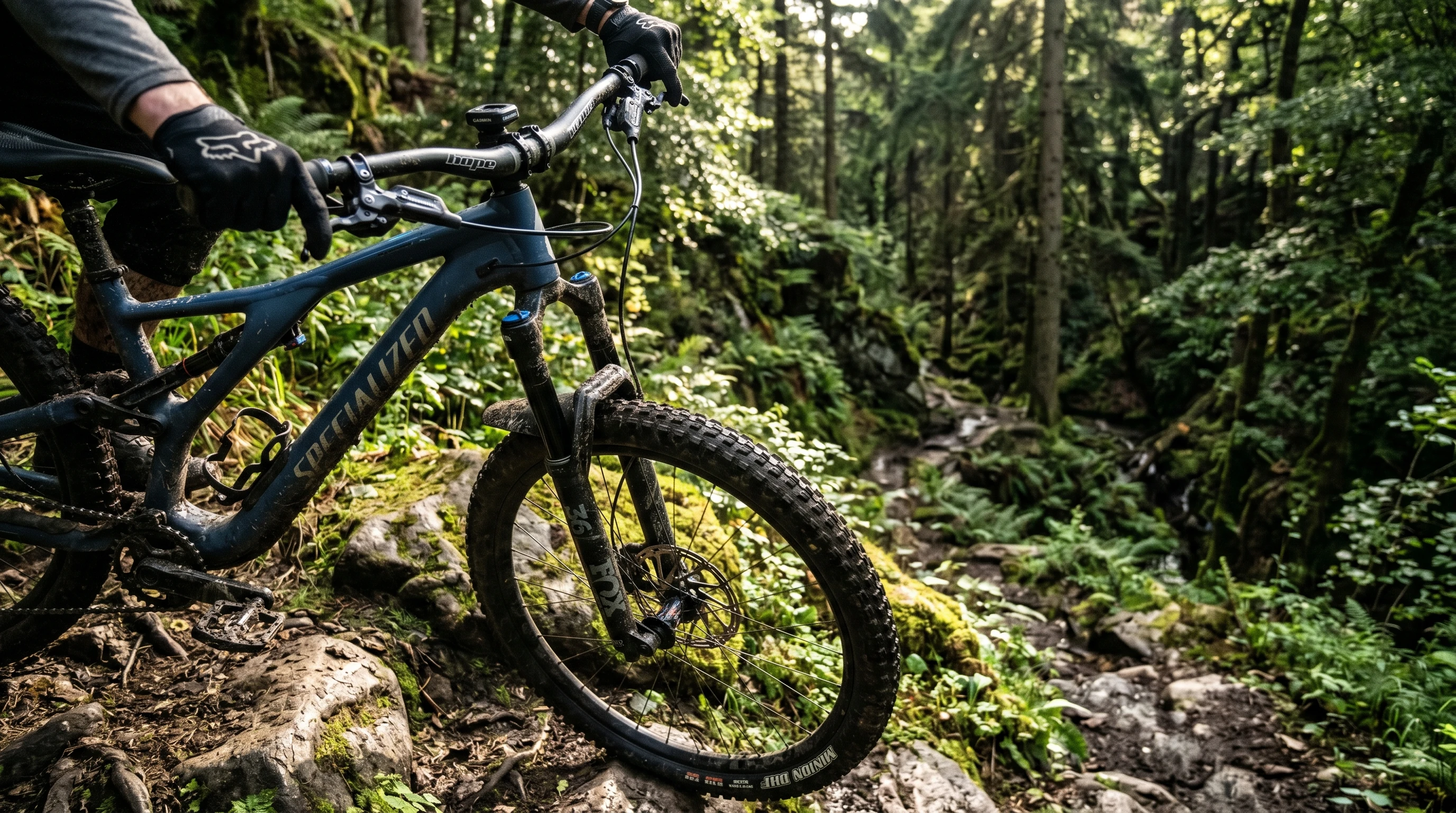
Essential Gear for Mountain Biking
Riding along rough trails and over varying terrain makes mountain biking gear seriously important. My first years on the bike taught me that dependable equipment can make or break your outing, not only for performance but especially when it comes to staying safe.
The global mountain bike market has grown quickly, showing how many people want to get active outside. According to Allied Market Research, the global mountain bike market size reached over $9 billion in 2021, and it’s set to expand for years to come. This means there are loads of options out there. When I pick my gear, I focus on three main spots: the bike, protective clothing, and crucial accessories.
- Bike: Choosing a bike that lines up with my riding style helps me enjoy the sport more. Hardtail bikes are lighter and simpler for smoother trails. Full suspension bikes provide more control and comfort on rocky or steep routes.
- Helmet: I always wear a helmet built for mountain biking rather than a basic cycling helmet. These cover more of the head, especially at the back and sides, for extra protection.
- Gloves, pads, and shoes: Grippy gloves help with control, knee and elbow pads shield my joints, and stiff soled shoes transfer power and keep feet steady even on tough trails.
- Tools and accessories: My staples include a multitool, a spare tube, mini pump, basic tire levers, and a water bottle or hydration pack.
Core Skills Every Rider Should Build
Learning solid technique is more important than having the fanciest ride. Research backs up that skill building in mountain biking comes down to balance, body position, braking, and smooth pedaling—essentials for riding faster, safer, and longer.
- Balance and Body Position: I keep my body relaxed and my weight centered. Standing slightly helps absorb bumps, especially going downhill. While climbing, I lower my chest and shift forward to keep the front wheel on the dirt.
- Braking: I use gentle, controlled braking with both the front and rear brakes. Avoiding sudden grabs keeps me stable; most braking power comes from the front, but too much can send me over the handlebars.
- Cornering: Looking where I want to go naturally steers my bike. Leaning the bike—not just my body—keeps grip and stability through loose corners.
- Pedaling Technique: Steady, even pedal strokes conserve energy. I aim for a higher cadence and avoid mashing on the pedals, which tires me faster and can spin the rear wheel on loose climbs.
Preparing for Safer Rides
My best days on the bike always start with good preparation. Keeping safety in mind helps me avoid injuries and mechanical headaches. Here’s my typical pre-ride checklist:
- Trail Research: I check out trail reviews and maps on apps like Trailforks or MTB Project. This lets me know the trail difficulty, expected terrain, and any updates or closures.
- Pre-Ride Bike Check: I squeeze my brakes, check tire pressure (usually between 25–32 psi for most rides), and scan bolts and chain for issues. Preventing problems before they show up saves hassle on the trail.
- Weather: I always peek at the forecast. Trails can get slick or muddy quickly, so knowing what I’m riding into is key.
- Communication: I let someone know my riding plan and when I aim to be back. If I’m solo in a remote area, carrying basic first aid and a phone or GPS is a must.
Understanding Biomechanics and Injury Prevention
Repeated motions in mountain biking can strain my body, especially if my bike isn’t set up right. Some simple checks and routines help me avoid injuries and keep riding strong.
- Bike Fit: I set my seat so my knees have a small bend at the bottom of the pedal stroke. I raise or lower the bars to keep my back in a comfortable spot.
- Strength and Flexibility: Regular stretching plus building up my core and legs (like squats and planks) help me stay strong on longer rides.
- Warm-up and Cool-down: I give myself 5–10 minutes of easy pedaling at the start and try to stretch after each ride to keep my muscles from tightening up.
Tips for Riding Faster and Longer
Staying on the bike longer is not just about fitness—it also depends on riding efficiently, eating right, and pacing myself. I focus on a few things to get the most from every outing.
- Efficient Shifting: Planning ahead for hills and rough patches lets me shift before it’s too late, making each ride easier and smoother.
- Pacing: I begin slow and ramp up as I go. Starting out too fast zaps my energy, making the end of the ride miserable. Keeping steady gives me power all day.
- Fueling: For anything over an hour, I bring snacks like energy bars, dried fruit, or trail mix. Staying hydrated is just as important; taking small sips regularly helps me avoid cramps.
Things to Think About Before Upgrading Your Mountain Bike
Considering a new bike or big upgrades? I’ve learned to check if I really need them or if it’s just a “want.” Here are a few things to mull over before putting down your money:
- Weight vs. Durability: Lighter bikes climb better, but hard trails need sturdy frames and wheels. Good components matched to my regular trails keep everything smooth.
- Tire Choice: Wider tires bring more grip and comfort but can feel heavier. I pick tread style and tire size to fit most of my rides—chunky tread for muddy or rough places, smoother for cross country paths.
- Suspension: Adjustable suspension lets me change my ride for rough descents or smoother trails. For mostly easy trails, a hardtail or less travel might be all I need.
- Drivetrain: Many new mountain bikes use a 1x setup. Fewer gears mean less maintenance but still enough range for almost any trail. I match it to my local elevation and preferred style.
Bicycle Maintenance
Keeping my bike clean and lubed pays off in a big way. I wipe it down after a gritty ride, lube the chain consistently, and inspect brake pads regularly. These quick chores mean fewer breakdowns on the trails and a bike that lasts years.
Advanced Tips and Tricks for More Fun and Confidence
After nailing the basics, I started to get into some advanced tips that totally changed my approach to the sport.
- Line Choice: Looking far ahead for the smoothest path, and dodging big rocks or roots when I can, makes technical riding a lot safer and even faster.
- Pumping and Flow: Moving my body up and down over bumps, instead of nonstop pedaling, gives me what I call “free speed”—keeping my flow and saving energy on undulating trails.
- Descending Quick and Safe: Lowering my saddle on steep downhills and shifting weight back balances my center of gravity. I gently feather the brakes to manage speed without losing traction.
Frequently Asked Questions
Here are a few questions folks ask me when starting out with mountain biking.
Question: How do I pick the right mountain bike for me?
Answer: I picture the usual trails I want to ride and my style. Visiting a local store and testing models tells me more than just reading up online. And always double check that the frame fits my height and reach well.
Question: What helps me stay safe when riding solo?
Answer: I always let somebody know where I’ll be and roughly how long I’ll be out. Bringing an ID, some first aid supplies, and a phone in a waterproof pouch is just smart in case something happens.
Question: How can I get stronger for the bike?
Answer: Besides riding often, I build muscle strength in my core, legs, and arms, plus yoga and regular stretching. It keeps me more limber and reduces the risk of getting hurt.
Final Thoughts
Getting the most from mountain biking is all about enjoying the whole process—tweaking my setup, learning new moves, and soaking in the outdoors. With better fitness, a focus on safety, and some regular bike care, I keep stumbling upon more reasons to love riding, every time I head out.
There’s so much to check out on the trails—both outside and with the skills I keep building. My tip is to keep things simple, have fun, and get out on the trail as much as you can. Every ride turns smoother, safer, and just plain better with every pedal stroke.