Keeping my bike feeling fresh and smooth makes a huge difference to how much I enjoy every ride. The good news is that there’s one simple habit I started doing that transformed the way my bike feels: I clean and lubricate my chain regularly. A clean, well-lubricated chain not only makes pedaling easier, but also reduces noise, improves shifting, and keeps bike parts from wearing out fast. I’m going to share every detail about this easy maintenance routine, how I do it, why it works, what gear I need, and what to look out for, to help anyone get their bike feeling like new again. If you’ve ever wondered why your bike doesn’t feel as zippy as it did when you first got it, or if small creaks have started to appear, tracking down the source often leads to the chain. Let’s get into the details and see how to freshen things up.
Why Your Bike Chain Matters More Than You Think
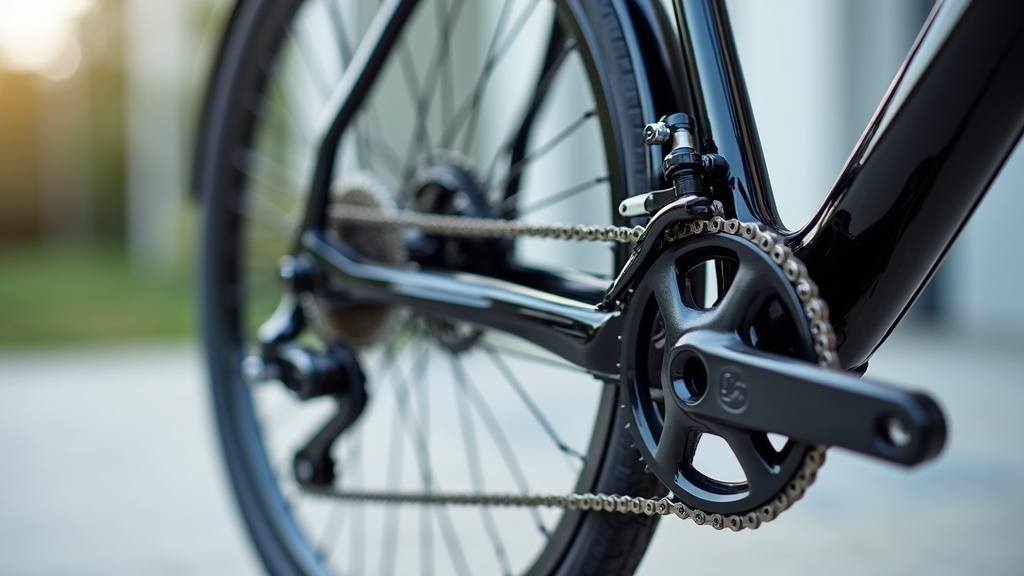
The chain is the main link between my pedaling power and my bike’s wheels. If the chain is dirty or running dry, it creates friction. This makes pedaling harder and can cause irritating noises or rough gear shifts. Over time, a neglected chain can even wear down my cassette, chainrings, and derailleur. These parts are pricey to replace. Keeping the chain clean and lubricated is one of those small habits that pays off by preventing bigger, more expensive problems.
Bike chains are exposed to everything outside, from dust and water to salt, mud, and oil on roads. Even when I’m just riding around the neighborhood, grit and grime can work their way onto the links. This gunk mixes with old lube, forming a paste that grinds away at chain pins and gears. That’s why regular cleaning and fresh lubrication leaves my bike feeling smoother and far more responsive.
Signs My Bike Chain Needs Attention
Over the years, I’ve learned to spot a few tell-tale signs that my bike chain is due for cleaning and lubing. Here’s what I watch out for:
- Grinding or squeaking noises: If my bike makes a squeak or sounds scratchy, the chain is probably dry or dirty.
- Poor shifting: Gears skip or hesitate when I shift.
- A black, dirty chain: Visibly built-up gunk is clear evidence my chain needs help.
- Stiff links: If sections of the chain don’t flex freely, grime may be clogging things up.
Most people can spot these issues with a quick look or by listening for unusual sounds during a ride. If I notice any of them, I make time for a cleaning session instead of waiting for a bigger issue.
Step-by-Step: How I Clean and Lube My Chain
I’ve settled on a process that’s simple, doesn’t require expensive tools, and gets great results. Here’s everything I do, step by step:
- Set up the bike: I prop my bike up with a kickstand or rest it gently against a wall. If I have a bike stand, that makes the job even easier because I can spin the cranks freely.
- Wipe down the chain: I use a rag or old t-shirt to wipe the chain while spinning the pedals backward. This removes loose dirt and the worst of the grime.
- Degrease deeply (if needed): Every month or after a muddy ride, I use a bike specific degreaser or dish soap. I drip some on the chain, scrub with a small brush (an old toothbrush works well), and rinse with water. I dry the chain thoroughly with a rag to prevent rust.
- Check the rest of the drivetrain: I run my rag over the cassette, chainrings, and derailleur pulleys, removing any built-up dirt to keep things running well.
- Lube the chain: I slowly backpedal while dripping lube onto each link. A drop on each roller is enough. I use lube made for bikes, matched to my weather (wet or dry).
- Wipe off excess lube: After a minute, I take a clean rag and wipe the chain lightly. Extra lube attracts more dirt, so I remove the surface oil and leave the lube where it matters, deep inside the links.
This quick routine takes me about 10 minutes once I’m in the habit. Afterward, pedaling feels smooth and quiet, and my gears shift crisply with almost no delay. Sometimes, I do an extra pass with a brush if I’ve ridden through sand or particularly gritty streets to ensure all stubborn grime is removed. Adding this attention can make a big difference in how smoothly the chain glides over the gears.
Choosing the Right Lube: Wet or Dry?
I used to get confused by all the chain lube choices, but it’s easier once you know what to look for. The key is to match the lube to the conditions I usually ride in:
- Wet lube: This kind is best for rainy, muddy, or wet conditions. It sticks to the chain even in water, but can attract more dirt. I’m careful to wipe off the excess for less mess.
- Dry lube: This is great for dry, dusty rides. It dries to a cleaner finish and doesn’t pick up as much dirt, though it washes off easily in rain. I may need to reapply more often if I’m riding through puddles or after a storm.
I pick the lube that fits my usual weather and trails. For most city rides in spring and summer, dry lube works well and keeps things quieter for longer stretches. That said, if I know a sudden rainstorm is likely, I’ll give my chain an extra application of wet lube to prepare. Some brands also offer wax based options that combine the benefits of both, so it’s worth checking out the labels to see what’s right for your riding style.
Common Pitfalls and How I Avoid Them
Cleaning and lubing a bike chain is straightforward, but there are a few mistakes that can undo all the hard work and even damage parts. Here are the ones I try to avoid:
- Over lubing: Too much lube makes the chain sticky, attracting more dirt and grime. I wipe the chain thoroughly after applying to leave just enough inside the links.
- Under lubing or skipping cleanings: If I let the chain go dry or very dirty, riding gets tough and gear changes become sluggish. I keep up a regular schedule, especially if weather is wet or trails are dusty.
- Using household oils: Some people reach for WD-40 or motor oil, but these don’t protect the chain long term and might leave sticky residues or wash off too quickly. I stick to lubricants made for bikes because they’re designed for small, moving chain parts and outdoor riding.
If I keep these points in mind, my maintenance routine is a breeze, and my bike thanks me with every smooth, quiet pedal stroke. Also, if the chain ever feels rough even after cleaning and lubing, I double-check for stuck links or damage, which can sometimes require a quick link replacement.
How Often Should I Clean and Lube?
The perfect schedule depends on how and where I ride. As a general rule, I do a quick wipe down every week or two, and a deep clean with fresh lube at least once a month. If I bike in rain or mud, the chain needs extra attention after each messy outing.
Some riders like to mark a calendar or link cleanings to a ride distance, such as every 100 miles or after five rides. Regular attention helps the chain last thousands of extra miles before it stretches or wears out, which saves a lot of money and frustration later on. To make this routine stick, I keep a small kit with a rag, lube, and a mini brush in my garage, right next to my helmet—it reminds me to clean up after particularly gritty adventures.
Why This Fix Makes My Bike Feel New
Right after I finish a good chain cleaning and lube, it always feels like I’m riding a new bike. Pedaling suddenly gets easier, and my drivetrain runs almost noiselessly. Sudden increases in efficiency and a quiet drivetrain are immediate payoffs. But the longer-term benefit is what really matters. Chains and gears last longer, I get more value out of every component, and I skip annoying gear problems during rides.
Some days, I’ve returned from a gritty trail with my drivetrain caked in mud and noise echoing off every pedal stroke. When I clean it up afterward and take it for a spin, that smoothness is back, and riding is a pleasure instead of a chore. It’s proof that even a five-minute maintenance job can bring back the feeling of a brand new bike. Over time, preventing even minor chain issues has saved me from expensive repairs and unwanted breakdowns miles away from home.
More Ways to Keep My Bike Feeling Great
- Check tire pressure: Well pumped tires roll easier and reduce the risk of flats.
- Inspect brake pads: I look for wear or grit on the pads for quiet, smooth braking.
- Tidy up gears: Keeping my derailleur and cassette clean helps gears shift smoothly.
- Look for loose bolts: Giving key bolts a quick check ensures nothing is rattling or about to fall off.
While the chain routine comes first, I work these simple checks into my regular care. Together, they help me avoid surprises and put a fresh feel into every ride. Sometimes, giving your handlebars or saddle a quick twist to check tightness can also stop squeaks before they start.
Frequently Asked Questions About Chain Care
How can I tell if my chain is too worn?
If I notice that shifting feels clunky, or I measure the chain and it appears stretched, it may be time for a replacement. Chain wear tools are cheap and easy to use for a quick check at home.
What should I use if I don’t have special chain lube?
Bike-specific chain lube is best, but in a pinch, light machine oil is okay. I avoid WD-40 and motor oil for regular lubrication. I always plan to get the right stuff as soon as I can, since it lasts longer and protects better.
Can I use a hose to rinse my chain?
A gentle hose is fine. I skip high-pressure or power washers, since these can force water and dirt into bearings and hurt bike parts.
Final Thoughts
Taking care of my bike chain is the quickest way I know to restore that “new bike” feeling. It’s a habit that’s stuck with me because I immediately notice the results and avoid bigger headaches down the road. Anyone with a bike at home can try this fix, and it can turn a clunky, tired ride into something a lot more fun. Give this easy chain care routine a shot, and see how much better every ride can feel. Keeping up with it means your rides stay enjoyable for years to come—and you might even find yourself looking forward to your next round of maintenance.