I know how frustrating it can be to ride over roots and rocks only to feel every bump rattle through my arms and legs. When my bike suspension isn’t working like it’s supposed to, every ride feels rough and tiring. I used to think suspension just softens big hits, but it actually does a lot more to make every ride smoother and safer. If you feel like your bike suspension sucks, there’s a good chance it’s not set up right, it needs some love, or you might need to make some changes. I’m here to break down why suspension performance drops and how you can fix it today.
Understanding Bike Suspension and Its Purpose
Bike suspension helps absorb shocks from uneven terrain, giving me better control and making my rides more comfortable. Suspension doesn’t just soak up big hits; it also improves grip by keeping the tires on the ground. I find that when my suspension works correctly, I get less arm fatigue and more confidence over technical terrain. Both mountain bikes and some hybrid or gravel bikes have suspension systems, but mountain bikes rely on them the most.
My suspension can have a front fork, a rear shock, or both. The front suspension (often called the fork) is common on most mountain bikes. Full suspension bikes add a rear shock to handle bumps under the seat. These systems can use either air or coil springs, and both types have their pros and cons. Air suspension lets me adjust pressure for my weight while coil shocks are known for their plush feel and durability. Having well-tuned suspension is crucial for performance, making each part of the ride much more enjoyable.
Common Reasons Bike Suspension Feels Terrible
If I’m riding and it feels like my suspension isn’t helping, there are a few reasons why this could be happening. Here are some common issues I’ve run into:
- Incorrect Air Pressure: If the fork or shock uses air, the pressure might not match my weight. Too much air makes the bike feel harsh, while too little causes it to bottom out.
- Wrong Sag Setting: Sag is how much the suspension compresses when I sit on the bike. If my sag is off, the suspension won’t work in its ideal range. Getting this setting dialed in can transform your ride instantly.
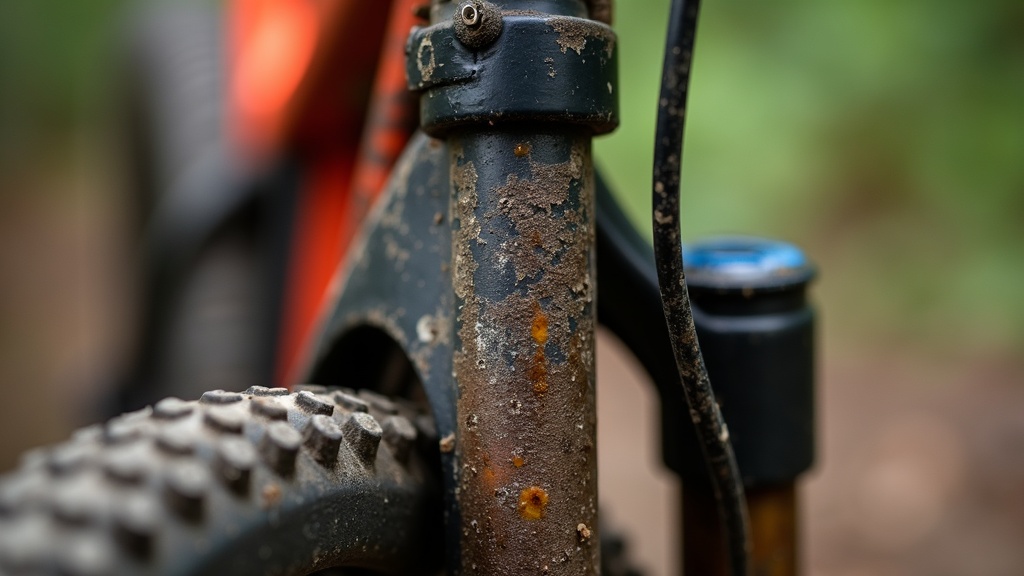
- Lack of Maintenance: Dirt, grime, and old oil inside the suspension can slow it down or make it sticky so it doesn’t respond smoothly. Regular cleaning can prevent long-term issues.
- Poor Damping Adjustments: Damping controls how fast the fork moves. If rebound or compression isn’t set up for my style of riding, the suspension either feels bouncy or stiff.
- Worn Out Parts: Bushings, seals, and oil wear out over time. Bad parts can cause stiction or let air and oil escape, making the suspension useless. Spotting these issues early will save you from costly repairs.
How Suspension Problems Affect My Ride
When my suspension isn’t working right, I notice that my front wheel bounces off rocks instead of rolling over them. This makes me feel less in control, slows me down, and can even make it hard to brake or turn safely. On long rides, my arms and legs get tired much faster.
Suspension that’s too stiff skips over bumps instead of soaking them up. On the other hand, suspension that’s too soft bottoms out or wallows in the middle of its travel. Bad damping means my bike can “pogo” and feel unstable. All of these issues increase the risk of losing traction or crashing, especially on technical trails.
Steps to Diagnose and Fix Your Bike Suspension
I’ve learned that simple checks and regular maintenance can make my suspension feel like new. I always start with a close look at the basics before worrying about big upgrades or expensive repairs. Here’s what helps me figure out what’s wrong and how to fix it:
- Check Air Pressure: Most air forks and shocks have recommended pressure charts. I use a shock pump and match the air pressure to my body weight and bike.
- Set Sag Properly: I put on my riding gear and sit on the bike. With the help of a friend or using zip ties on the fork, I measure how much it compresses. I usually aim for 15-30% of total travel for sag, but I check my manufacturer’s recommendations.
- Test Damping Adjustments: I experiment with the rebound and compression dials. If the fork rebounds too quickly and throws me up, I slow it down. If it feels stuck or slow to return, I speed it up. Small tweaks can make a difference.
- Inspect for Damage and Leaks: I check the fork and shock stanchions for scratches or oil residue. Leaks or stuck seals mean it’s time for a service.
- Clean the Suspension: I wipe down the stanchions and fork lowers every ride. Keeping dirt off helps the seals last longer and keeps operation smooth.
Essential Maintenance for Better Suspension
Maintenance is something I do regularly to avoid bigger problems later. Here are the most important routine tasks I handle:
- Clean and Lube Fork Seals: I use a damp cloth after every ride to wipe away dirt. Every few weeks, I put a drop of suspension oil or a manufacturer-approved lubricant on the stanchions and cycle the fork to keep the seals working smoothly.
- Change Suspension Oil: Most forks and shocks need the oil changed at regular intervals (every 50 to 100 hours of riding, for example). I follow instructions from my model’s manual, or I take the bike to a shop if I’m unsure.
- Replace Worn Seals: Seals wear out with time. If I notice oil leaking or the fork feels sticky and dry, I have the seals replaced.
- Check Bolts and Bushings: I regularly inspect and re-tighten any loose pivots or bolts in my rear suspension. Bad bushings can add play and make things feel squishy or loose.
How I Made My Suspension Feel Better Right Away
I remember one ride where my fork was harsh even over small bumps. After checking, I realized my air pressure was too high. Just letting out a few psi and setting sag again made a difference. Sometimes a good suspension setup session feels like getting a whole new bike.
When to Upgrade or Get Professional Help
If I’ve cleaned, lubed, and reset everything and it still feels rough, my suspension might need professional service or replacement parts. Most bike shops offer fork and shock servicing. Techs can replace worn internals, refresh oil, or rebuild air springs.
Older or entry level forks can sometimes be a limiting factor for rough trails. If my riding has changed but my bike hasn’t, it might be time to consider upgrading to a better fork or shock. More advanced suspension will feel smoother and will respond better over a wider range of conditions, making my rides safer and more fun. Upgrading can also help if you’re tackling longer and more challenging trails than before.
Upgrades That Actually Improve Suspension Performance
I get tempted by top tier forks, but I know some upgrades make more sense than others. Here’s what I prioritize along with why:
- Bigger Tires With Lower Pressure: Running a wider tubeless tire at lower pressures gives added comfort and grip even before touching the fork or shock.
- Better Fitting Springs: If I ride a coil fork, the right spring weight for my body makes a difference.
- Add Volume Spacers: Many air forks let me add or remove volume spacers. These let me fine tune how the fork ramps up on big hits without making it harsh on smaller ones.
- Tune Damping Adjusters: Learning how highspeed and low speed compression or rebound dials work can help me customize suspension feel for different trails.
I also recommend tracking down better-quality seals or bushings if you notice creaks or excess flex. Small parts upgrades are often overlooked but can lead to a surprisingly smoother ride. Investing in regular tune ups pays off for performance too. And don’t forget, sometimes just a proper setup and ongoing care will give you incredible improvements before you ever spend more on expensive new parts.
Frequently Asked Questions About Bike Suspension
I get a lot of questions from friends and other riders about suspension. Here are answers that helped me get more out of every ride:
Q: How often do I need to check my suspension setup?
A: I check my air pressure and sag once a month or if the weather changes a lot. I do a full clean and lube every couple of weeks.
Q: Is it OK to service my own suspension?
A: Basic tasks like cleaning, lubing, and setting air pressure are easy and safe to do at home. For full oil changes or internal repairs, I follow the service manual or take it to a pro if the process feels over my head.
Q: Will upgrading my fork help if I’m still a beginner?
A: Learning on what you have is valuable, but a quality fork can make riding safer and smoother, especially on bumpier trails. I always weigh the cost against how much I actually ride and what kind of trails I plan to tackle.
How the Right Suspension Changed My Rides
After I started paying attention to my suspension, biking became way more comfortable and fun. Setting air pressure, sag, and rebound to fit my weight and style turned rough, chattery trails into smooth lines I never thought I could ride. Good suspension doesn’t just cushion big drops; it brings more grip, better control, and confidence to every part of the trail. Tuning my suspension was worth the effort, and ongoing care keeps every ride feeling fresh. If your suspension feels off, it’s worth checking these steps today.